

Sewage Leak Cleaning in Marshall's Creek: What to Do

You open the door and find sewage on the floor. Keep people and pets away, and avoid touching the water or anything it has reached. If you’re searching for biohazard cleaning after sewage leak Marshall's Creek, you need a clear plan, not a risky DIY cleanup.
It’s understandable to worry that contamination has spread under flooring, behind walls, or into belongings you can’t easily inspect. This guide covers immediate safety priorities, what professional restoration may involve, and how to think about affected materials. TBC Restoration serves Marshall’s Creek with 24/7 emergency restoration, including water extraction, structural drying, and dehumidification to support recovery after contaminated-water damage.
Restoration addresses the property and materials affected by the leak. Plumbing repair addresses the source of the sewage and is separate from cleanup. Keeping those needs distinct can help you plan the next steps. Read on to learn what to do first and what a restoration response can include.
Table of Contents
Sewage leak in Marshall's Creek: why contaminated water needs careful handling
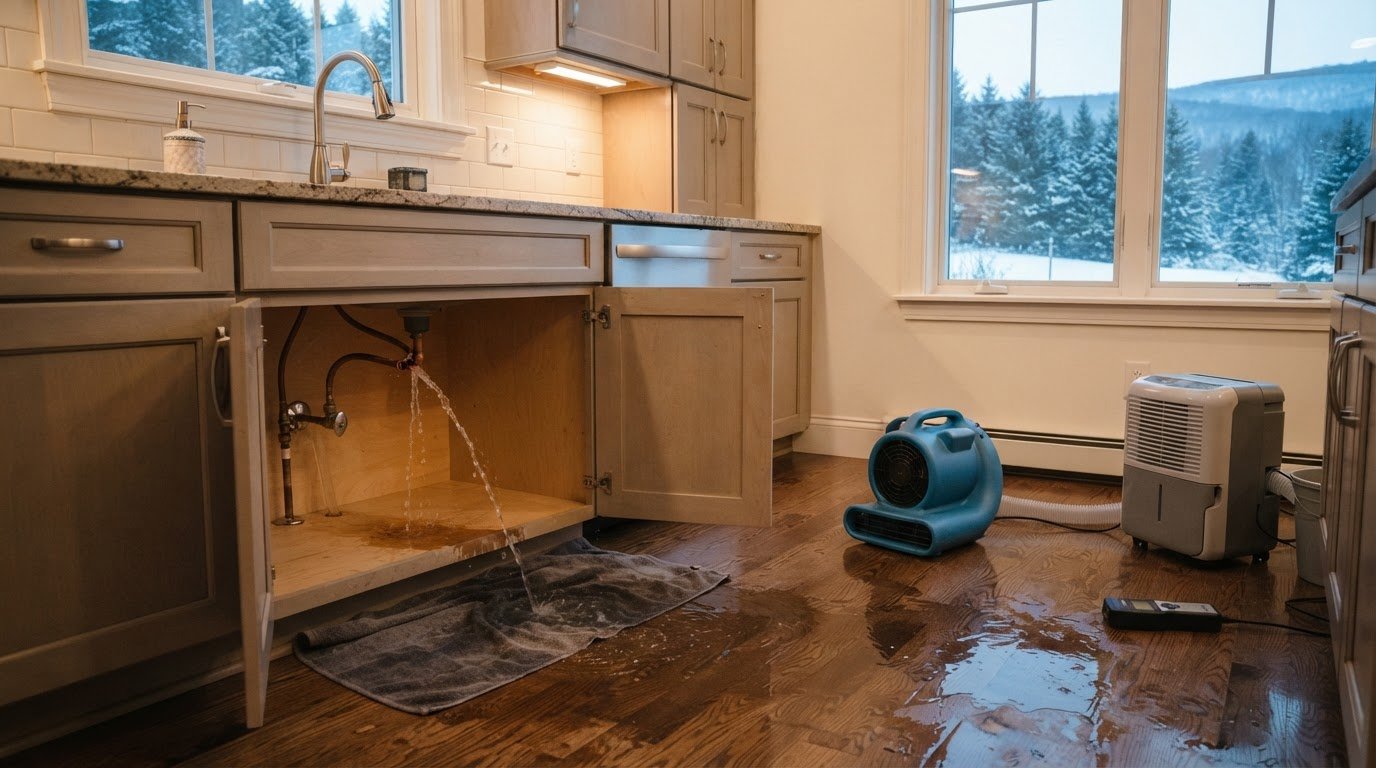
A clean-water leak and a sewage leak can look similar at first: both leave floors wet and belongings damp. The difference is what the water may contain. Water from a sewage backup or leaking waste line can carry contaminants, so treat it cautiously even if it looks clear or the visible spill seems small. Splashes and residue tracked on shoes can also extend the affected area.
That uncertainty is why biohazard cleaning after sewage leak Marshall's Creek starts with keeping people away, not grabbing a mop. You don’t need to identify every affected surface yourself. A careful assessment can help determine where water traveled and which materials need attention.
What makes a sewage leak different from an ordinary water leak?
A clean-water leak may come from a supply pipe, while sewage-contaminated water has contacted wastewater. Treatment systems use multiple sewage treatment processes, but a leak inside a property can expose surfaces to wastewater before it is contained or treated. The visible wet patch may not show where splashes landed, where residue was tracked, or whether water moved beneath flooring and into wall cavities.
Porous items such as carpet, drywall, and upholstered belongings can absorb water. Hidden spaces may also remain damp after the surface appears dry. Don’t assume that wiping the visible area addresses material reached underneath or behind it. The affected area and appropriate work depend on the property, the materials, and how far the water spread.
Which immediate actions help reduce exposure?
Keep your first steps simple. Don’t walk through the affected area to retrieve belongings, touch wet items, or scrub residue away. Keep children and pets out. Avoid starting cleanup or mixing household cleaning chemicals; improvised products and methods can create additional hazards without addressing concealed contamination.
Keep people and pets out of the affected rooms.
Avoid touching contaminated water, wet belongings, or residue on nearby surfaces.
Don’t carry affected items through clean parts of the property.
Leave cleanup and decisions about affected materials to a professional restoration assessment.
If the leak is still active, keep others away rather than entering the contaminated space to investigate. From a safe location, note what you can see, such as which rooms appear affected, without stepping into the water or moving belongings. This gives a restoration team useful initial context while reducing the chance of spreading residue to unaffected areas.
These precautions don’t mean every item or room is necessarily contaminated. They help maintain a safer boundary until the affected areas can be assessed. TBC Restoration serves Marshall’s Creek with emergency restoration, including water extraction, structural drying, and dehumidification to support property recovery after contaminated-water damage.
How professional sewage-leak restoration moves from assessment to drying
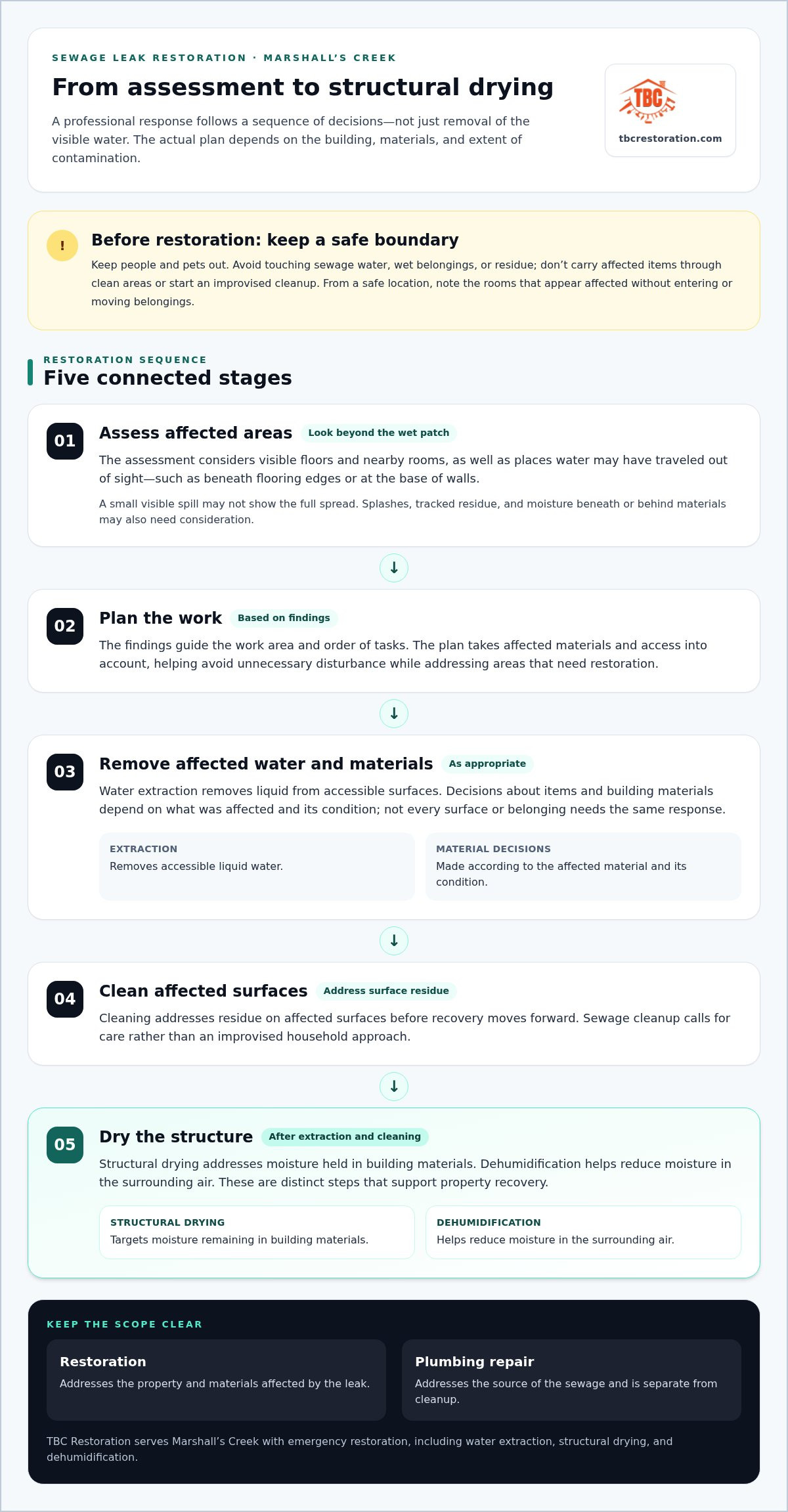
After a sewage leak, restoration involves a sequence of decisions, not simply pumping out visible water. The team needs to understand where the water traveled, which materials it reached, and what work is appropriate for the property. The steps below offer a general picture. The actual plan depends on the building, materials, and extent of contamination.
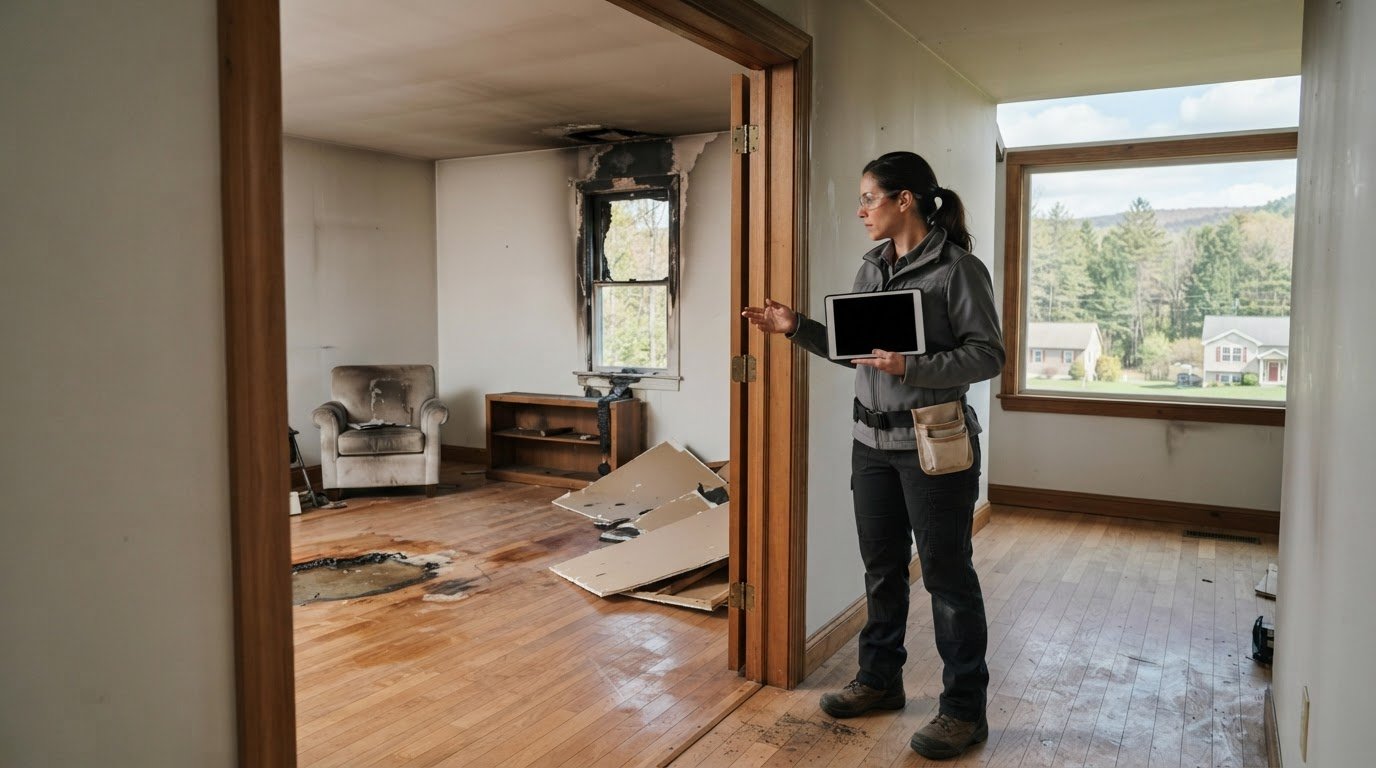
Assess affected areas. A restoration assessment looks beyond the obvious wet patch. The visible floor, nearby rooms, and potentially concealed areas, such as beneath flooring edges or at the base of walls, may need attention.
Plan the work. Findings guide the work area and the order of tasks. The plan accounts for affected materials and access, helping avoid unnecessary disturbance while addressing areas that need restoration.
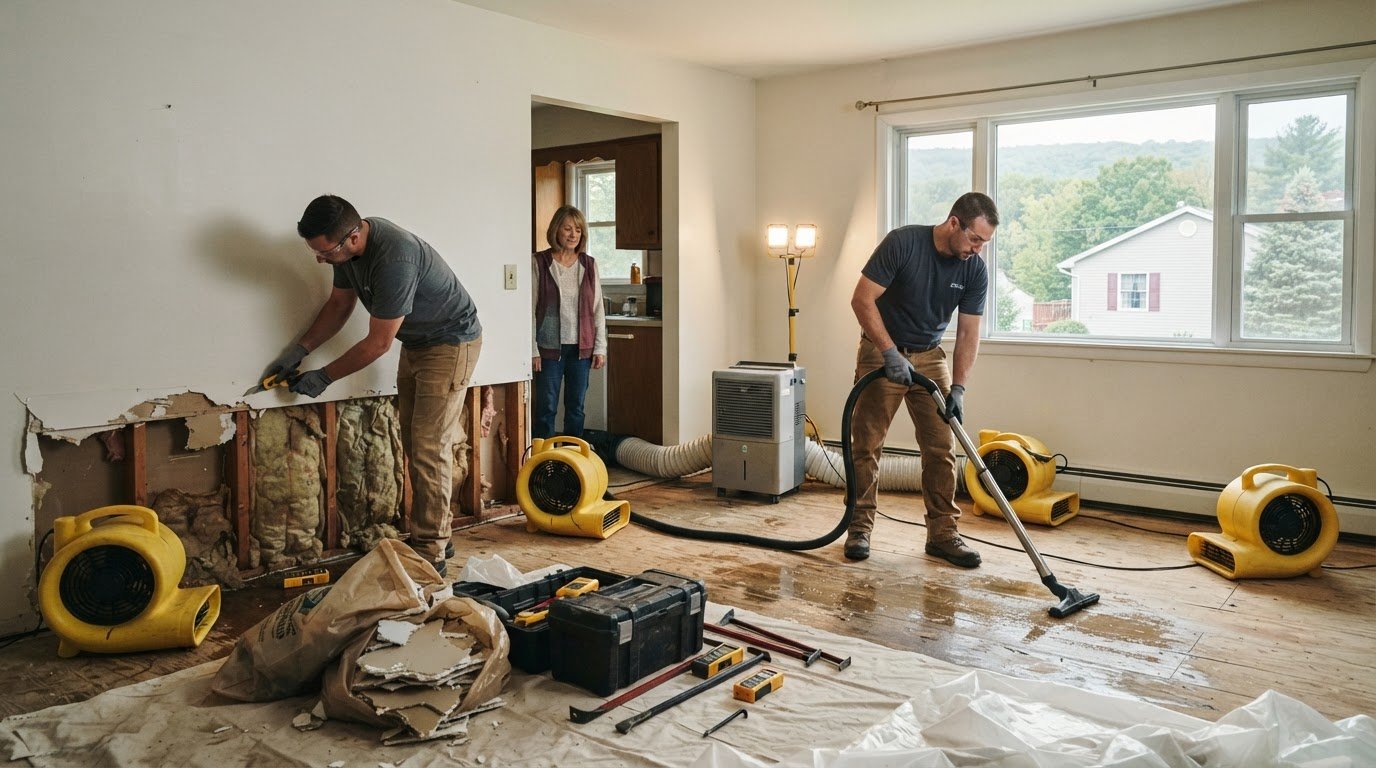
Remove affected water and materials as appropriate. Water extraction removes liquid from accessible surfaces. Decisions about materials depend on what was affected and its condition; not every item or surface requires the same response.
Clean affected surfaces. Cleaning addresses residue on surfaces before recovery moves forward. The Pennsylvania Department of Health provides health risks of sewage exposure and cleanup recommendations, useful context for why sewage cleanup calls for care rather than an improvised household approach.
Dry the structure. Structural drying addresses moisture held in building materials, while dehumidification helps reduce moisture in the surrounding air. These are distinct steps after extraction, and both support the property’s recovery.
Assessment and removal of affected water and materials
An on-site assessment helps establish the likely spread, including areas that aren’t immediately visible. For example, water at a room’s threshold may have reached adjacent flooring or the lower part of a wall. Removal decisions depend on the material and its condition, so porous items and building materials are evaluated individually. This helps shape a response around the actual property.
Cleaning, structural drying, and follow-up
Cleaning and drying serve different purposes. Cleaning addresses affected surfaces; extraction removes standing water; structural drying and dehumidification address moisture remaining in materials and the air. If conditions raise mold concerns, those concerns call for assessment. Drying is an important recovery step, but it shouldn’t be presented as a guarantee that mold will not develop.
For homeowners arranging biohazard cleaning after sewage leak Marshall's Creek, knowing these stages can make the process easier to follow. TBC Restoration serves Marshall’s Creek and the wider Poconos with emergency restoration, including water extraction, structural drying, and dehumidification. Learn more on TBC Restoration’s emergency restoration page.
DIY cleanup or professional sewage restoration: how to decide
A small visible spill can look manageable, but its size doesn’t show whether sewage reached flooring edges, wall cavities, or nearby belongings. That uncertainty matters. Surface wiping may remove what you can see without addressing affected materials underneath or residue carried beyond the wet spot.
Safe observations and isolation: Keep people and pets away, note which rooms appear affected from an unaffected area, and photograph visible damage if you can do so without entering the contaminated space.
Work for trained restoration professionals: Assessing possible concealed spread, removing affected water or materials, and cleaning and drying areas reached by sewage. These steps require decisions based on the affected materials and the extent of contamination.
Ordinary household cleaning doesn’t guarantee that sewage contamination has been fully addressed. Porous materials can absorb water, and contamination may extend beneath flooring or into building layers that aren’t visible. Moving a wet rug or carrying affected belongings through the house can also spread residue into areas that seemed clean.
When should a homeowner avoid handling cleanup?
Avoid DIY removal if contamination appears to be spreading, has reached more than one area, or may be concealed beneath surfaces. Don’t handle porous contents such as soaked carpet, upholstery, or other wet belongings when you’re unsure what they’ve contacted. If the affected boundary or condition of materials isn’t clear, a professional assessment can help determine the appropriate restoration work.
The key question isn’t only how much water you can see. It’s also where it may have traveled and what it reached. A small patch near a wall, for example, doesn’t rule out moisture or residue at the floor edge or behind a baseboard. Don’t treat a quick wipe or household disinfectant as proof that hidden layers are clean.
What can property owners safely manage while waiting?
Keep the area isolated and observe from a dry, unaffected location. Record what you can see without entering, touching wet items, or moving contents. Take photos only if you can do so safely. Leave removal and cleanup decisions to restoration professionals rather than testing the spread yourself.
Keep children, pets, and other occupants out of the affected space.
Note the rooms and visible surfaces involved from a safe location.
Avoid handling belongings or applying cleaning chemicals to affected materials.
For biohazard cleaning after sewage leak Marshall's Creek, the right response depends on the property and materials involved. TBC Restoration supports property recovery with water extraction, structural drying, and dehumidification. Plumbing repair is separate from restoration, so keep the affected area undisturbed and arrange restoration support.
Marshall's Creek Sewage Leak: Document and Prepare
Once the affected area is kept undisturbed, a simple incident record can help you explain what happened and track changes. In Marshall's Creek and across Monroe County, focus on clear observations rather than trying to inspect contaminated rooms. Don’t enter an affected area to take photos or retrieve paperwork. Your safety comes first, and a useful record doesn’t need to be complicated.
Document damage and organize useful details
From a safe, unaffected location, note when you first discovered the leak and when you last saw conditions change. If you know the source, record it as an observation, not a confirmed diagnosis. Photograph visible damage only when you can do so without crossing into the affected space. Add short captions with the room and approximate time so the images remain easy to understand later.
Keep the notes and related records together. A dated timeline can help you describe whether water appeared in one room, reached another, or changed in depth or spread. Avoid touching wet belongings to photograph labels or identify materials.
Record the discovery time and any known information about the source.
List the rooms where water or visible damage can be seen.
Describe observed spread and changes over time, without entering the affected area.
Save safe photographs, relevant receipts, and communications with your insurer.
Insurance coverage and documentation requirements vary by policy. Contact your insurer to ask what information it needs and how to submit it. Note whom you spoke with, when, and any instructions you receive. This creates a practical record without assuming that every policy handles sewage-related damage the same way.
Prepare the property for a restoration assessment
Preparation should make the situation easier to understand without disturbing contaminated materials. From an unaffected area, identify which rooms appear affected and mention belongings that may have been reached. Don’t move wet furniture, rugs, or other items to make access easier; note their location instead. If practical, keep clear access from an unaffected entrance or hallway, but don’t walk through contaminated areas to clear a path.
Leave equipment and building systems alone unless a professional directs otherwise. Don’t operate fans, heaters, or HVAC serving affected spaces on your own, since moving air or disturbing materials may complicate assessment. If you’re unsure whether a route or item is safe to approach, leave it as it is and explain the concern when arranging help.
These notes can support a focused conversation about biohazard cleaning after sewage leak Marshall's Creek and the property’s restoration needs. TBC Restoration serves Marshall's Creek and the wider Poconos with emergency restoration, including water extraction, structural drying, and dehumidification. The company also serves Stroudsburg, East Stroudsburg, Bushkill, Crescent, Mount Pocono, Bangor, Tannersville, Snydersville, and Saylorsburg. For restoration support, contact TBC Restoration about emergency restoration.
Get 24/7 emergency restoration help for a sewage leak in Marshall's Creek
A sewage leak can leave you unsure what to handle first. TBC Restoration serves Marshall's Creek and the surrounding Poconos with 24/7 emergency restoration support. The restoration response focuses on property damage, including water extraction, structural drying, and dehumidification. These steps address water and moisture in affected areas; the specific work depends on the conditions at your property.
What TBC Restoration brings to a local recovery
Local restoration support can help bring order to property recovery. Extraction removes standing water, while structural drying and dehumidification address moisture remaining in building materials and the air. Together, these services support the next stages of restoring affected areas. They don’t fix the plumbing source or guarantee that every material can be restored. Assessment guides the work.
For residents considering biohazard cleaning after sewage leak Marshall's Creek, it helps to understand which part of the problem restoration addresses. TBC Restoration provides emergency restoration for property damage in Marshall's Creek and the wider Poconos. Plumbing repair is separate: stopping or fixing the source of a leak is not the same as extracting water and drying affected areas. Keeping those needs distinct helps you organize next steps while addressing the damaged property.
How to take the next step
Contact TBC Restoration for emergency restoration support. A short, clear description can help explain the situation: share your Marshall's Creek location, which rooms appear affected, whether water is still present, and any visible changes you’ve observed. You don’t need to enter the affected area or move belongings to provide useful context. If you have a record of the incident, such as when you noticed the leak, you can share that too.
Until help is arranged, keep people and pets out of the affected space. Avoid walking through it, handling wet items, or trying to begin cleanup. If the source is still active, report that when you contact the restoration team; restoration and plumbing work address separate parts of the incident.
Sewage damage is stressful, but the next step can be straightforward: describe what you can safely observe and arrange restoration support. TBC Restoration serves local property owners with 24/7 emergency restoration, water extraction, structural drying, and dehumidification. Reach out to TBC Restoration to discuss the damage and begin planning the property’s recovery.
Move forward with a clear next step
You don’t need to solve every question about the leak before asking for help. If you’re unsure how far water traveled or which belongings may be affected, say so. A straightforward account of what you’ve observed is a useful place to begin, and you can share details from a safe location without disturbing the affected area.
For anyone seeking biohazard cleaning after sewage leak Marshall's Creek, making that first contact can turn uncertainty into a practical conversation about property recovery. Describe what happened, what you can see, and what concerns you most. Don’t take on hazardous cleanup yourself; arrange support suited to the situation.
Contact TBC Restoration for 24/7 emergency restoration support and discuss the damage with the local team. You’ve already taken an important step by learning how to approach the situation carefully. With help, you can move toward a safer, more manageable recovery.
Frequently Asked Questions
Is sewage water dangerous to clean up yourself?
Yes, sewage water isn’t suitable for untrained cleanup. Contact can happen through splashes, wet surfaces, or residue transferred to shoes and clothing. The concern isn’t limited to standing water; touching an item or tracking material into a clean room can spread contamination. For biohazard cleaning after sewage leak Marshall's Creek, avoid entering the area or handling affected items. Keep others away and arrange professional assessment rather than relying on household products.
What should I do first after a sewage leak in Marshall's Creek?
First, stay out of the affected area and keep other occupants and pets away. From a dry location, note when you discovered the leak and which rooms show visible effects; take photos only if you don’t need to approach water or belongings. Then contact a restoration team serving Marshall's Creek and describe what you observed, including whether the leak appears active. Avoid investigating the source yourself.
Can sewage damage cause mold in a home?
Yes, lingering moisture after a sewage leak can contribute to conditions where mold may develop, especially if damp carpet, padding, or wall materials remain wet. That doesn’t mean mold will automatically appear; the outcome depends on moisture and affected materials. If you notice a musty odor, discoloration, or recurring dampness after visible water is gone, have the area assessed. Mold concerns can be evaluated through appropriate testing and remediation planning.
What happens if sewage water reaches carpet or drywall?
Carpet or drywall reached by sewage water needs assessment before deciding what can remain. Carpet may hold moisture below its visible surface, including in padding, while drywall can absorb water along its lower edge. Restoration decisions depend on how far contamination traveled and whether materials can be effectively addressed. Don’t pull up flooring or cut into walls yourself; doing so can disturb affected material and complicate evaluation.
Does homeowners insurance cover sewage damage?
Coverage depends on your policy wording, any applicable exclusions or endorsements, and the circumstances of the backup. Some policies may treat sewer or drain backup differently from other water damage, so don’t assume the loss is included or excluded based on a general rule. Contact your insurer and ask which policy provisions apply, what information to submit, and whether it needs to inspect before cleanup proceeds. Keep its guidance with your incident notes.
How long does sewage cleanup take after a leak?
There isn’t a reliable single timeline for sewage cleanup. Duration depends on how many rooms are affected, how much water must be extracted, which materials became wet, and how quickly the structure dries under site conditions. Removing standing water is only one stage; damp subfloor or wall cavities may need additional drying and reassessment. A restoration professional can explain the work plan after assessing the property, rather than estimating from visible water alone.
Can sewage odors return after the visible water is removed?
Yes, odors can persist after standing water is gone if residue or moisture remains in materials or concealed spaces. Removing visible water doesn’t confirm by itself that carpet backing, floor edges, or nearby surfaces are clean and dry. Avoid covering the smell with fragrance or moving affected items through other rooms. If odor returns or continues, a restoration assessment can help identify whether further cleaning or drying is needed.
Comments