

Cost of Sewage Cleanup in a Crescent Basement: What Affects Your Estimate?

A sewage backup’s visible footprint can be smaller than the restoration work it requires. If you’re researching the cost of sewage cleanup in basement Crescent homeowners may face, the estimate depends on more than the water you can see. Contamination, affected materials, and moisture hidden behind walls or beneath flooring can all shape the scope.
It’s understandable to want a clear number right away, especially when you’re unsure how far the damage has spread. A project-specific assessment can help identify affected areas and clarify which cleanup and restoration tasks may be needed. Plumbing repairs that address the cause of the backup are separate from restoration work.
This article explains the main factors behind an estimate, what information and documentation can help define the scope, and what restoration may involve. You’ll also find practical first steps to help protect your household and move toward recovery. TBC Restoration serves Crescent with 24/7 emergency restoration services, including water extraction, structural drying, and property cleaning.
Table of Contents
What Determines the Cost of Sewage Cleanup in a Crescent Basement?
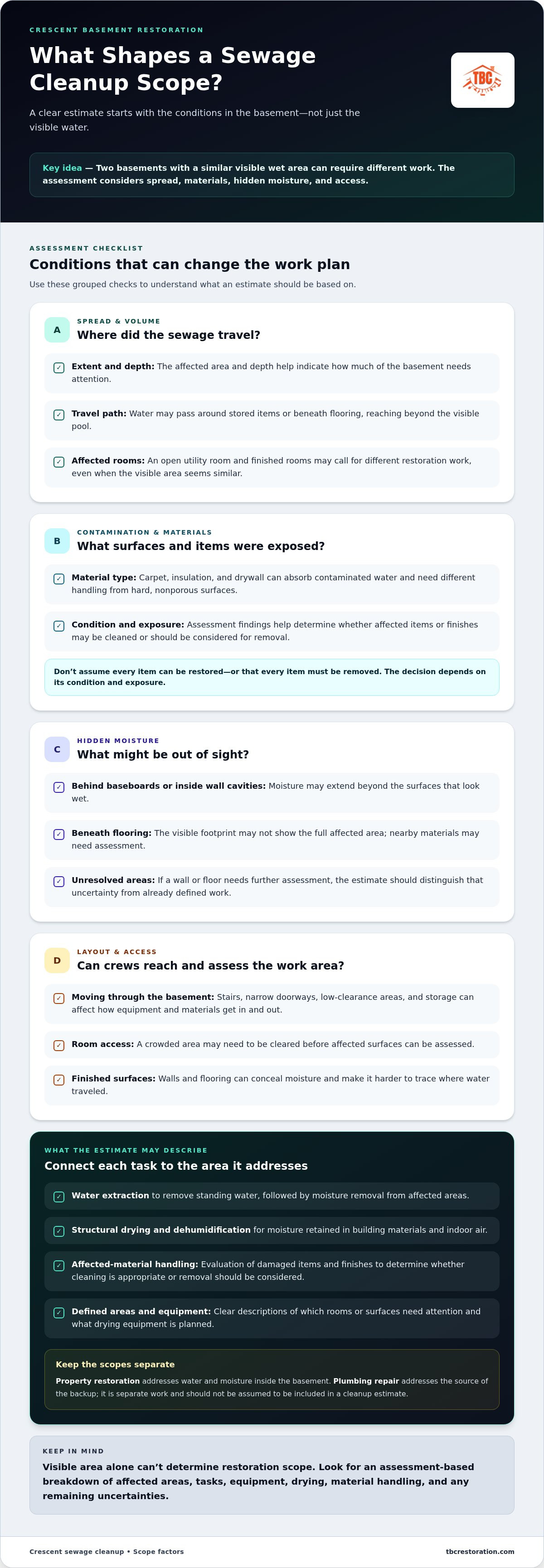
No responsible estimate can be set from the phrase “basement sewage” alone. The cost of sewage cleanup in basement Crescent homeowners face depends on the property’s conditions: how far contamination spread, how much material was affected, what surfaces are involved, and how easily crews can reach the work area. An assessment helps replace guesswork with a clearer restoration scope.
Two basements in Crescent can need very different work, even if the visible water covers a similar area. One backup may be limited to an open utility room with few belongings. Another may reach finished rooms, soak flooring, or spread beyond the first visible pool. Local service in Crescent gives homeowners access to restoration support, but every basement still needs to be assessed on its own conditions.
The volume and depth of sewage matter because they can indicate how much of the basement needs attention. The route it traveled matters, too. Water can pass around stored items or under flooring, leaving affected areas outside the most visible wet zone. The sewage treatment processes described in this reference concern treatment systems. A property assessment instead focuses on conditions and materials in the affected home.
How contamination and affected materials change the scope
The extent and depth of contamination influence which cleanup tasks may be needed and how much material requires assessment. Porous items and finishes, such as carpet, insulation, or drywall, can absorb contaminated water and need different handling from hard, nonporous surfaces. Their condition and exposure affect decisions, so don’t assume every item can be restored or must be removed. Moisture behind baseboards, beneath flooring, or inside wall cavities may also need assessment before the scope is finalized.
Why basement layout and access matter
Stairs, narrow doorways, low-clearance areas, and storage can affect how equipment and materials move through a basement. A crowded room may need to be cleared before affected surfaces can be assessed. Finished walls and flooring can conceal moisture, while the room layout may make it harder to trace where water traveled. These practical details help shape the work plan.
Visible area alone can’t determine restoration scope. Materials, hidden moisture, and access conditions matter too. For example, a small visible patch beside a finished wall may warrant a closer look at nearby flooring and wall materials, while a larger open area may be easier to inspect. That doesn’t establish what must be removed or restored. It shows why an estimate should reflect the basement’s actual conditions rather than a broad description or generic figure. An assessment can help clarify affected areas and the recovery work they may require.
What Can a Sewage Cleanup Estimate Include?
An estimate describes the work being considered, the affected areas, and the materials and equipment involved. It helps you see how an assessment translates into a restoration plan, rather than treating the cost of sewage cleanup in basement Crescent as one standard task. The scope should reflect what’s found at the property, so not every project will include every possible step.
Look for clear descriptions of the work and where it applies. For example, an estimate might distinguish water removal in one area from drying or material handling in another. That detail makes it easier to understand what the proposed work addresses and where questions remain. Industry resources such as the IICRC’s cleaning and restoration guidance can provide professional context, but the project scope must be based on the basement’s conditions.
Restoration work that may appear in the scope
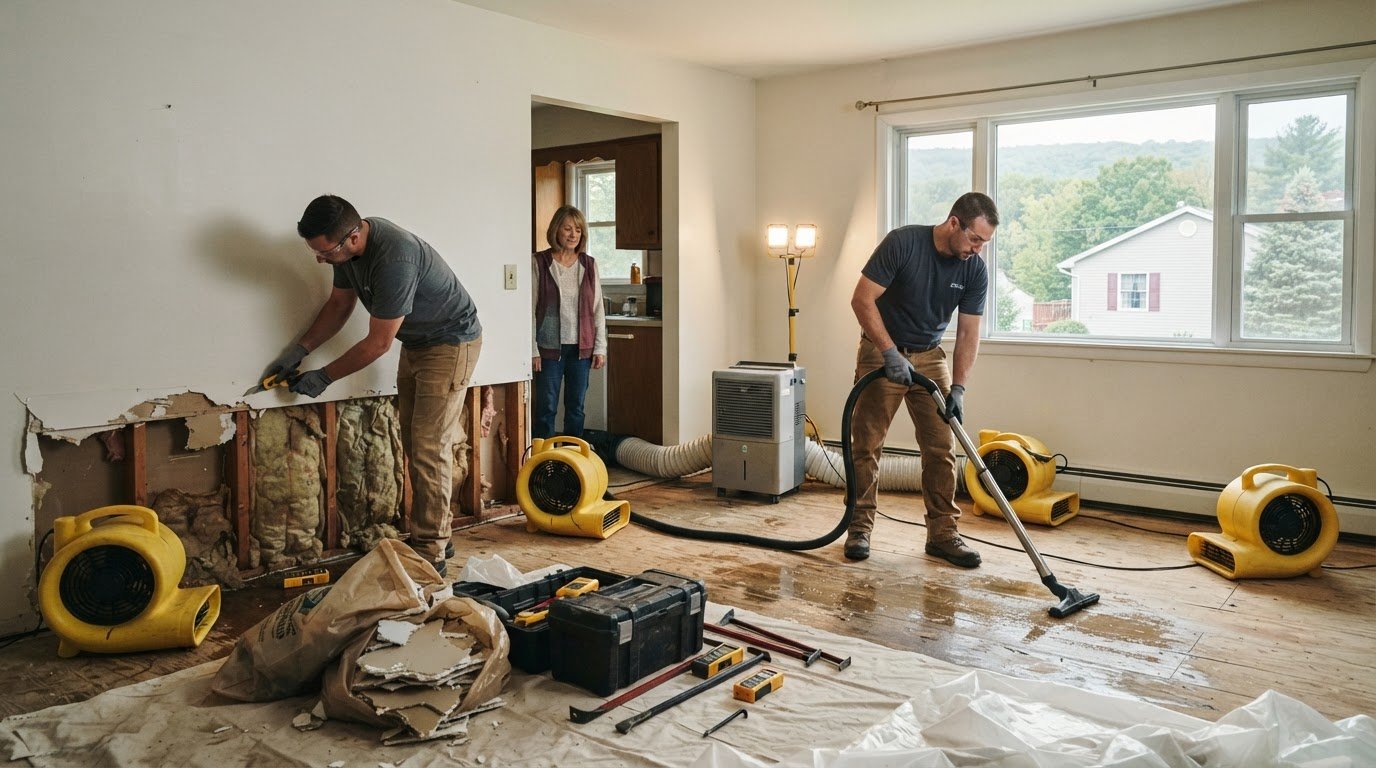
Depending on assessment findings, a scope may include water extraction to remove standing water, followed by moisture removal from affected areas. Structural drying and dehumidification address moisture retained in building materials and indoor air. Damaged items and finishes may need separate evaluation to determine whether cleaning is appropriate or removal should be considered. These are potential components, not a checklist that applies identically to every basement.
A useful estimate connects each task to the area it addresses. It may identify which rooms or surfaces need attention, what equipment is planned for drying, and how affected materials will be evaluated or handled. If a wall or floor needs further assessment before a decision can be made, that uncertainty should be distinguished from work that is already defined. Clear descriptions help you understand how the scope may change as more information becomes available.
Cleanup is different from sewer-line repair
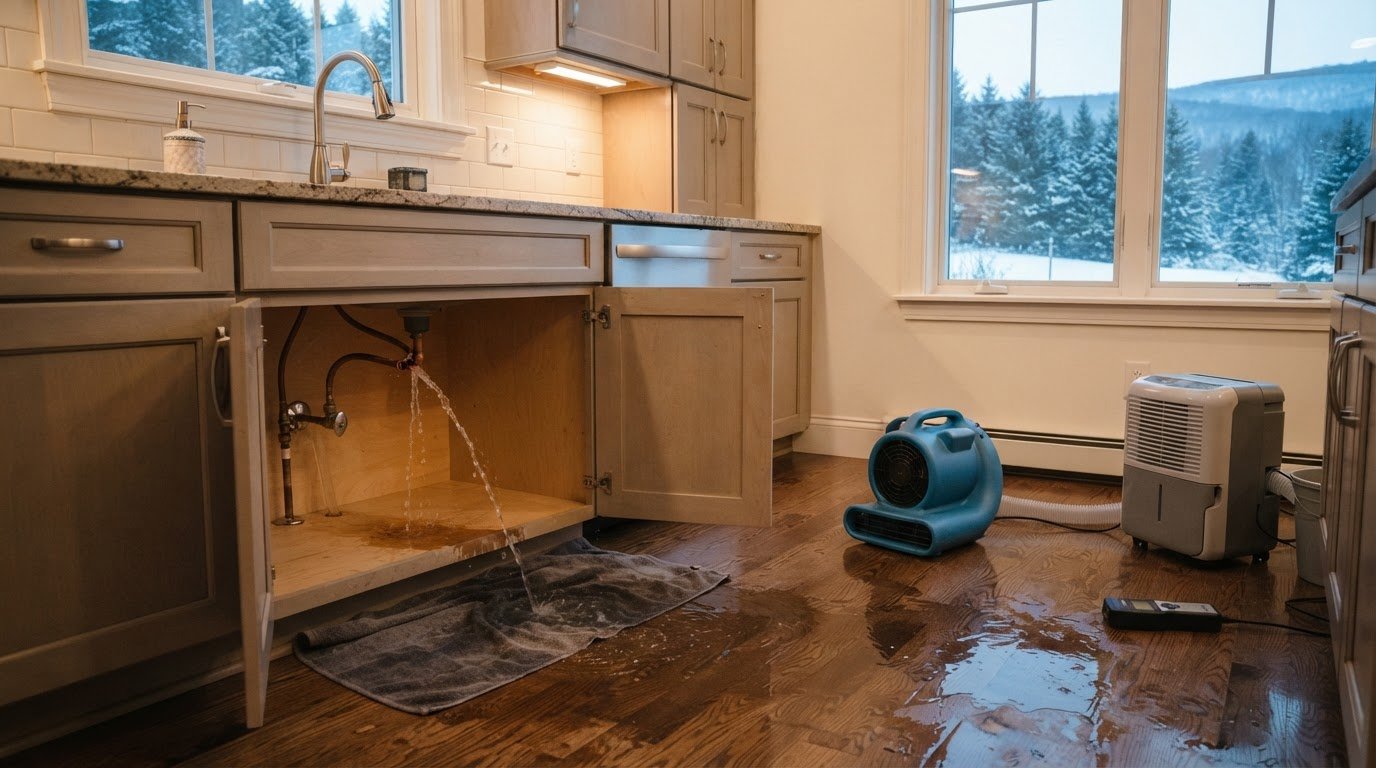
Restoration addresses the effects inside the basement, such as water and moisture in affected areas. Finding and repairing the plumbing source is separate work. A cleanup estimate shouldn’t be mistaken for a sewer-line repair estimate or assumed to include work on the plumbing that caused the backup.
Property restoration covers damage inside the home; plumbing repair addresses the source of the backup. Keeping those scopes distinct helps you track which work relates to basement recovery and which relates to preventing another discharge. If both are needed, they involve separate assessments, plans, and costs. A restoration estimate can describe the affected property work without diagnosing or repairing the plumbing cause.
Before reviewing a proposed scope, note the rooms and materials you’ve seen affected, and keep any photos or records you already have. A prompt assessment can help clarify which recovery tasks apply. Crescent homeowners can learn about TBC Restoration’s water damage restoration and emergency restoration services.
How to Compare Sewage Cleanup Estimates Without Guessing
A lower initial figure doesn’t necessarily represent the same completed work as a higher one. To compare estimates fairly, line up what each says about affected areas, tasks, materials, drying, and exclusions. The total tells only part of the story. If one scope covers a single room and another includes additional areas or work, the amounts aren’t directly comparable.
Use a side-by-side checklist as you review each written estimate. Mark whether each item is included, excluded, or not described. That makes gaps easier to spot without assuming an unmentioned task is included.
Questions a clear written scope should answer
Check whether the estimate names the basement rooms and materials it addresses, rather than using a broad phrase such as “cleanup.” Look for extraction, drying, and cleaning as distinct tasks so you can see what each covers. Note any assumptions about access or visible damage, along with exclusions and conditions that could change the documented scope. If a detail is unclear, ask for an explanation in writing.
For example, two estimates may both mention drying, but one may identify the rooms and materials involved while the other leaves the area undefined. That difference matters. A stated inspection limit or assumption isn’t automatically a problem, but it should be visible so you understand what the estimate does and doesn’t describe. This level of detail makes comparisons more useful for Crescent homeowners evaluating the cost of sewage cleanup in basement Crescent projects.
How insurance documentation fits into the decision
Keep dated photos of visible damage, brief notes about when you noticed the backup, and copies of estimates and related communications. Save them together so you can refer to the same record when discussing the incident. This documentation can help explain the observed conditions and proposed work, but it doesn’t establish what an insurer will pay.
Coverage depends on the individual policy and the circumstances of the loss. Review your policy and share relevant records with your insurer for its coverage decision. Don’t assume that a lower estimate, a particular task description, or having documentation guarantees coverage. The goal is a clear comparison of restoration scopes and an organized record of what you’ve observed and received.
What to Do After Sewage Reaches Your Crescent Basement
Start with safety, not cleanup. Sewage can expose people and pets to harmful contaminants, and standing water may create electrical hazards. Keep everyone out of the affected basement and don’t touch the water or try to clean it yourself. A cautious response helps protect your household while you arrange a professional restoration assessment.
Immediate actions that protect people and property
Keep clear of the affected area. Close off basement access if you can do so without entering it, and keep children and pets away. Don’t walk through contaminated water to retrieve belongings.
Avoid electrical hazards. Don’t operate appliances, cords, or other electrical equipment in or near water. Don’t enter a wet area to reach a switch or breaker. If you can access the electrical shutoff from a dry, safe location, follow your household’s safety plan. Otherwise, stay out and seek qualified help.
Document only from a safe location. If you can see the area without going downstairs or approaching water, take photos and note when you discovered the backup. Don’t enter an unsafe space to get a better view.
Arrange a restoration assessment. Prompt professional assessment can help identify visible impacts, clarify what needs attention, and outline practical next steps for the property.
If the backup is ongoing, avoid using fixtures that could add more water to the system until the cause is addressed. Basement cleanup and restoration are separate from locating or repairing the plumbing source. Keep those tasks distinct as you organize your next steps.
Information to prepare for an assessment
You don’t need to determine the full extent of damage yourself. From a safe place, write down what you know and label anything uncertain as unknown. This gives the assessment a useful starting point without encouraging you to inspect hidden or hazardous areas.
Rooms and visible conditions: Note which basement rooms appear affected and the visible water level or boundary, if you can observe it safely.
Materials and belongings: Record visible effects on flooring, walls, stored items, or furnishings. Don’t move items from the affected area just to document them.
Timing and changes: Write down when you noticed the backup and any changes you’ve observed from a safe location, such as water spreading or receding.
Available records: Gather photos, relevant property details, your insurance policy information, and any communications about the incident. Keep copies together for reference.
These notes can support a clearer conversation, but they aren’t a substitute for an on-site assessment. They also don’t determine what an insurer will cover. A professional restoration assessment can help clarify affected areas and recovery needs, which is more useful than estimating the cost of sewage cleanup in basement Crescent from photos or guesses alone. TBC Restoration provides 24/7 emergency restoration services in Crescent, including water extraction and structural drying. Request a restoration assessment to take the next step toward recovery.
Get a Project-Specific Sewage Cleanup Estimate in Crescent
A generic online figure can’t show what happened in your basement. The cost of sewage cleanup in basement Crescent homeowners may face depends on the affected rooms, visible conditions, materials, and moisture that needs to be addressed. A project-specific assessment gives you a clearer basis for understanding the restoration scope than a broad range that may describe a very different property.
An assessment also helps separate what’s known from what still needs to be evaluated. A visible water line, for example, can show where water reached, but it can’t establish by itself whether nearby building materials retained moisture. The assessment connects observed conditions to potential restoration work, helping you understand next steps without guessing at an exact price or outcome before the project conditions are known.
What to expect from a restoration assessment
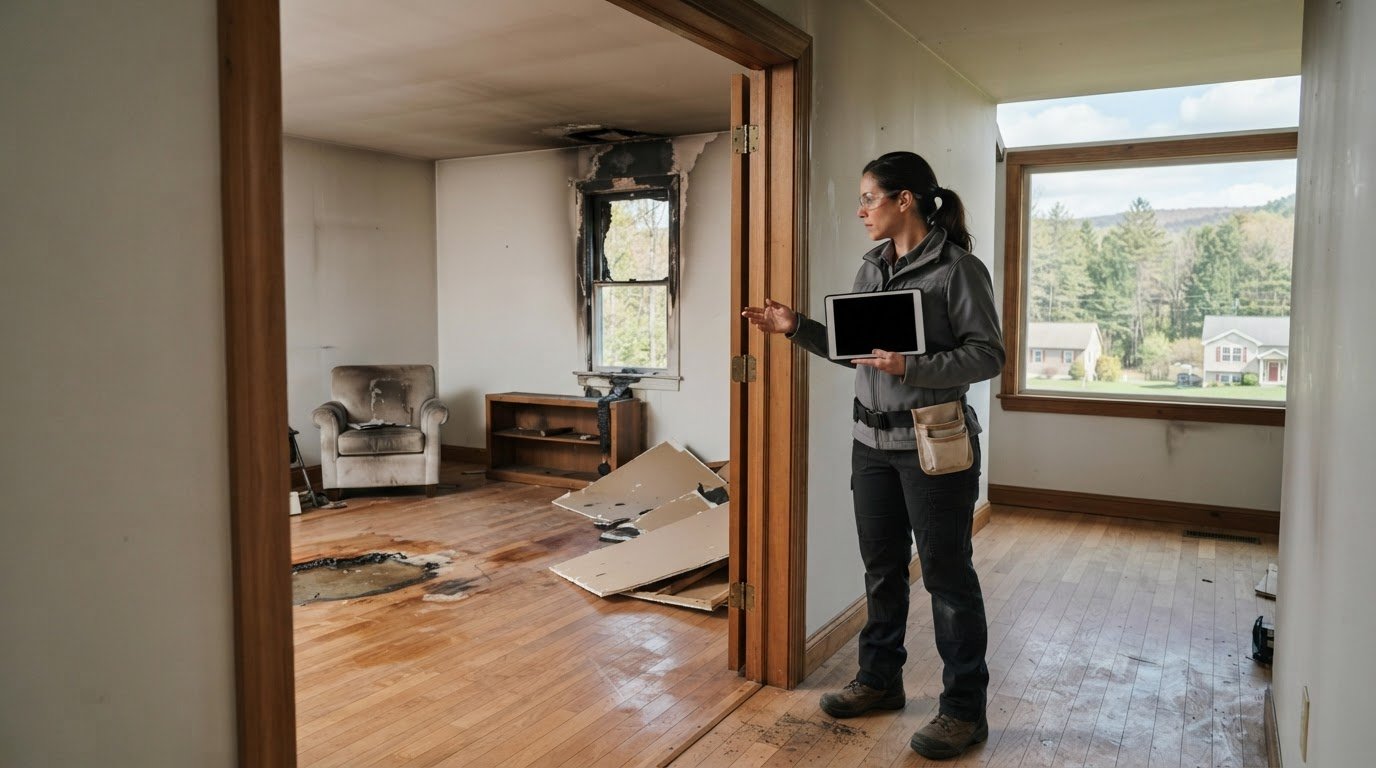
The affected property and visible conditions guide the assessment. It can help identify areas that may need water extraction, structural drying, or dehumidification, and clarify which parts of the basement require further attention. The scope is based on what’s observed, not a one-size-fits-all checklist. The plan, price, and timeline depend on the conditions found at the property.
To help make the assessment more informative, prepare the details you can safely gather:
Which rooms appear affected and what materials or belongings show visible impact.
When you noticed the backup and any changes you observed afterward.
Photos taken from a safe location, plus relevant property or insurance records.
Any limits on what you could see, such as a closed room or an area you couldn’t safely approach.
These notes help describe the situation, but they don’t replace an on-site evaluation or determine hidden damage. You don’t need to inspect contaminated or unsafe areas to prepare. Share what you know, identify what you’re unsure about, and let the assessment clarify the restoration scope.
Start recovery with local restoration support
TBC Restoration serves Crescent with 24/7 emergency restoration services. Its restoration services include water extraction, structural drying, dehumidification, and property cleaning. An assessment can help clarify which property restoration steps fit the observed conditions. Plumbing repairs that address the cause of a backup are separate from restoration inside the basement.
For a useful first conversation, be ready to describe what you’ve observed and where the affected area is. You can also share photos taken safely and note any access limitations. Those details help focus attention on the property and the restoration work to assess, without asking you to guess at what’s hidden or commit to a scope before conditions are understood.
If sewage has reached your Crescent basement, contact TBC Restoration for emergency restoration support. A project-specific assessment is a practical next step toward understanding affected areas and planning recovery.
Take the Next Step Toward Basement Recovery
Uncertainty can make it hard to know where to begin. You don’t need to diagnose hidden damage or settle every question before moving forward. Start with what you can safely observe, keep your notes and photos together, and let a property assessment help turn unanswered questions into a practical plan.
A clear understanding of the cost of sewage cleanup in basement Crescent properties comes from the conditions at your home, not a generic figure online. An assessment gives you a chance to discuss what you’ve noticed and understand which restoration steps may apply. From there, you can make informed decisions one step at a time.
If you’re ready to discuss the situation and plan a path forward, contact TBC Restoration for emergency restoration support. You can take the next step without having every answer first. A clear scope can make recovery more manageable.
Frequently Asked Questions
How much does sewage cleanup in a basement in Crescent cost?
There’s no dependable flat price for a sewage backup in a Crescent basement. The cost of sewage cleanup in basement Crescent homeowners may face depends on how far contamination traveled, which materials were affected, access to work areas, and the restoration tasks an assessment identifies. A small visible area may still need closer evaluation if water reached concealed spaces. An on-site review gives a project-specific scope; online averages can’t account for your home’s actual conditions.
What factors affect the cost of sewage cleanup?
Key factors include the affected footprint, the volume and spread of wastewater, how long materials were exposed, and whether finishes or contents need evaluation. Basement access and the number of separate rooms can also shape the work. An estimate should reflect observed conditions, not assumptions based only on a photograph. An on-site assessment helps identify limits in what can be seen and creates a scope specific to the property.
Does homeowners insurance cover sewage backup cleanup in Pennsylvania?
Coverage for sewage backup in Pennsylvania depends on policy wording and incident details. In Crescent and nearby communities, including Stroudsburg, East Stroudsburg, Marshall’s Creek, Bushkill, Mount Pocono, Bangor, Tannersville, Snydersville, and Saylorsburg, homeowners should check whether their policy addresses sewer or drain backup separately from other water damage. Optional endorsements may affect protection. Report the loss and share policy details with your insurer, which determines coverage after reviewing the claim.
Can I clean sewage from my basement myself?
Cleaning sewage yourself isn’t a safe default. Sewage may contain harmful contaminants, and direct contact can expose you to them. Keep children and pets away, avoid touching wet belongings, and don’t use household fans or electrical devices near standing water. If you can’t view the basement without entering the affected area, leave documentation for an assessment. Seek professional guidance before handling contaminated materials or attempting cleanup.
What is usually included in sewage cleanup?
Depending on assessment findings, cleanup may involve removing standing water, cleaning affected areas, drying building materials, and evaluating contents or finishes for possible cleaning or removal. These tasks aren’t automatically included in every project. Decisions may differ for a concrete floor, a carpeted room, or stored cardboard boxes. Check which rooms and materials a written scope addresses instead of assuming every estimate using “sewage cleanup” describes the same work.
Does sewage cleanup include sewer-line repair?
No. Sewage cleanup and sewer-line repair address different problems. Restoration focuses on effects inside the property, such as affected surfaces and retained moisture. Plumbing repair addresses the pipe, drain, or other source that allowed sewage to enter. A restoration estimate shouldn’t be treated as a plumbing diagnosis or repair quote. If the cause remains active, property restoration and source repair need to be considered as separate work.
How quickly should I arrange sewage cleanup after a basement backup?
Arrange professional attention as soon as you can do so safely. Until the affected area has been assessed, keep people and pets out, avoid contact with standing water, and don’t move belongings through contaminated areas. Note when you found the backup and whether conditions appear to be changing, but observe only from a safe location. Prompt assessment can clarify what needs attention, though it can’t guarantee further damage will be avoided.
Comments